Why Hip Hop Class Counts (5, 6, 7, 8) Confuse Beginners — and How to Actually Follow Them
Quick Answer: Dance counts break music into groups of 8 beats, with each number corresponding to one beat, and “5, 6, 7, 8” is simply the traditional verbal cue used to start a phrase on beat 5 of a preceding count — once you can consistently count music in groups of 8 while listening, following an instructor’s counted cues for choreography becomes dramatically easier, since you’re mapping movement to a structure you can already hear.
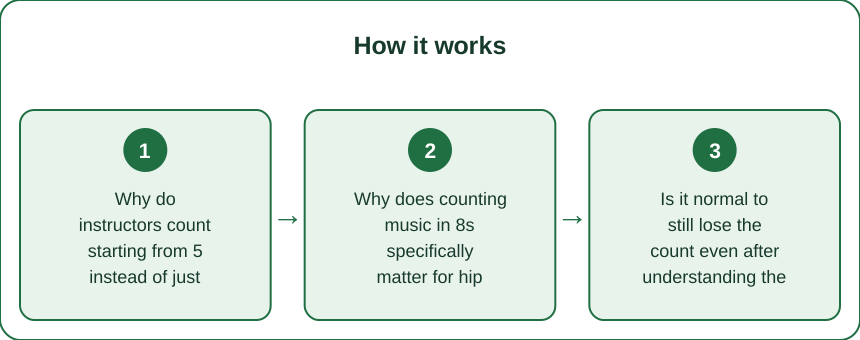
Why do instructors count starting from 5 instead of just starting from 1?
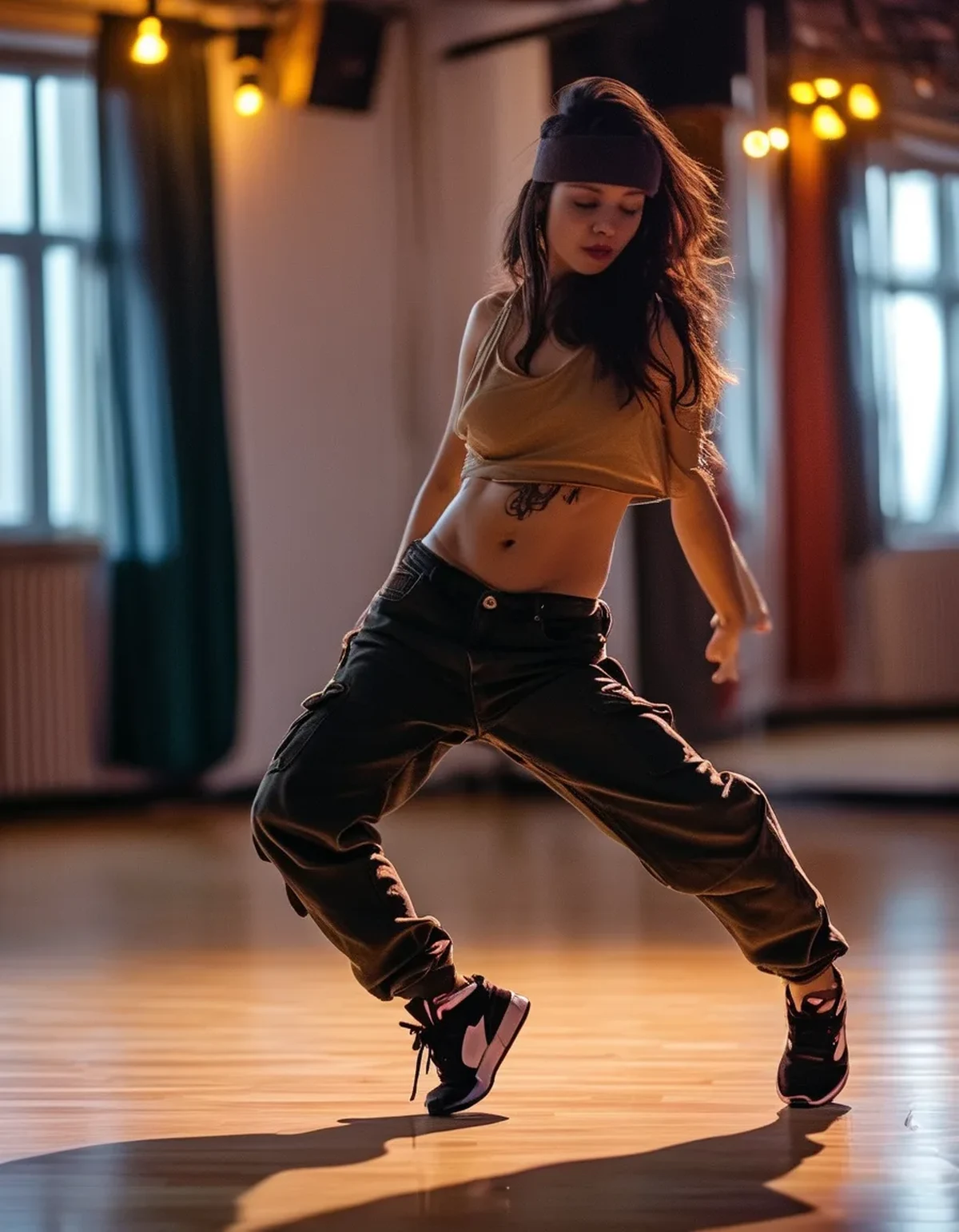
Starting a verbal cue at “5” gives dancers a few beats of warning before the actual movement begins on the next count of 1, similar to how a countdown gives runners time to prepare before a race starts. It’s a practical cueing convention, not a different counting system — the underlying music is still counted in full groups of 8.
Why does counting music in 8s specifically matter for hip hop?
Most popular music is built in 4/4 time, and dance choreography is typically organized into 8-count phrases (two measures of 4) because that length matches common musical phrasing — a chorus line, a verse segment. Learning to hear these natural 8-count groupings in music makes following any counted choreography faster, since the counts map onto a structure that’s already there in the song.
Is it normal to still lose the count even after understanding the system?
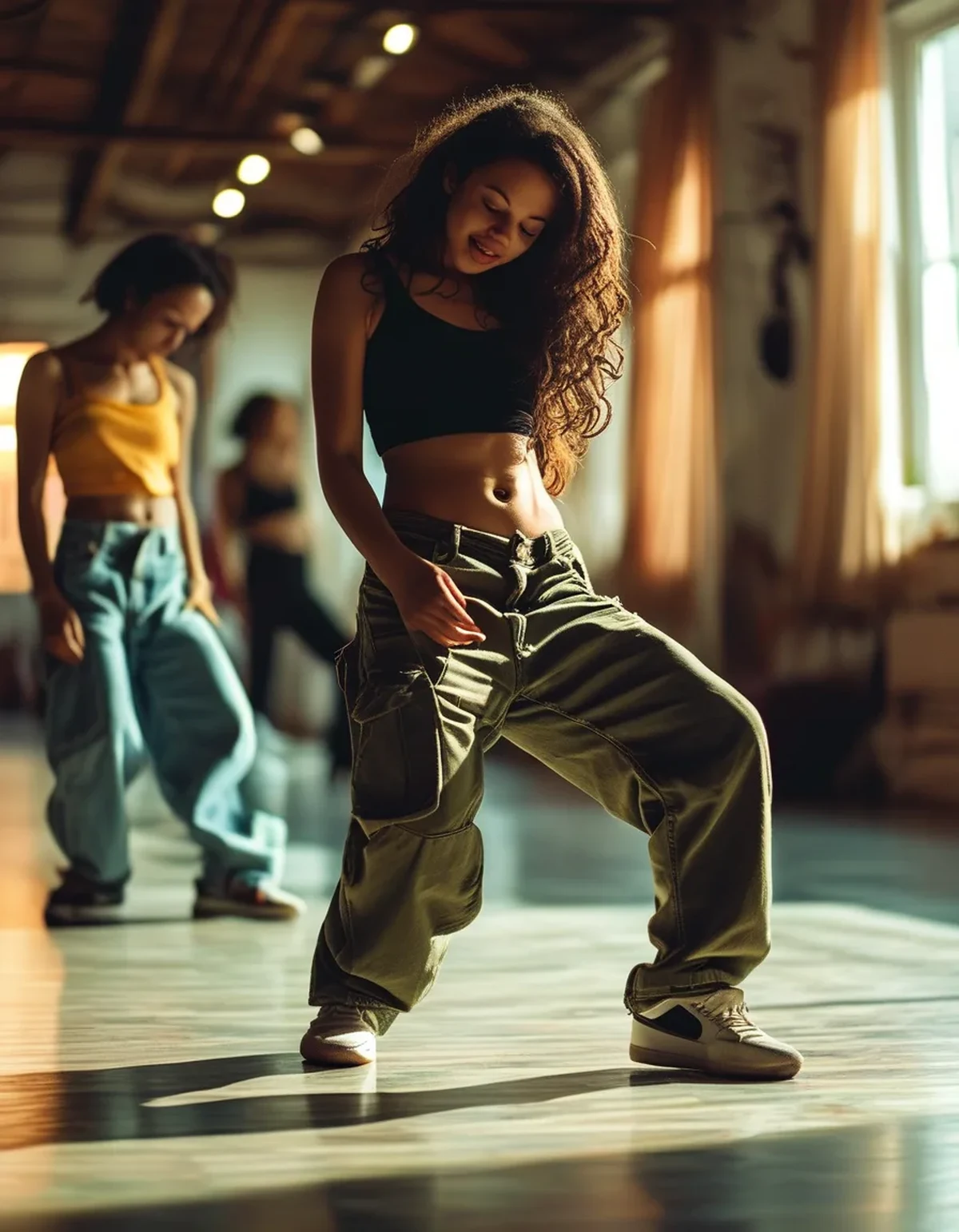
Yes — losing the count, especially during fast or syncopated hip hop music, is extremely common even among fairly experienced dancers, since some songs deliberately play with rhythm in ways that make the underlying 8-count harder to hear. Practicing counting along with music outside of class, without trying to also learn choreography at the same time, builds this skill faster than trying to develop it only during class.
5 Mistakes Beginners Make With Dance Counts
1. Trying to memorize choreography by movement sequence alone, without ever attaching counts to it. 2. Assuming counting is only useful for very technical or slow choreography. 3. Not practicing counting music independently, only during class when already overwhelmed by new steps. 4. Getting thrown off when an instructor claps or calls counts differently than expected, instead of recognizing it’s still the same underlying 8-count structure. 5. Giving up on counts entirely and trying to follow purely by watching, which works short-term but breaks down on complex choreography.
FAQ: Hip Hop Dance Counts Questions, Answered
Does every style of dance use the same 8-count system as hip hop?
Most Western social and studio dance styles use 8-count phrasing as a foundation, though some styles layer additional counting conventions on top — hip hop’s use of the standard 8-count with syncopated movement is fairly typical rather than unusual.
Is it worth counting out loud during class, or is that considered disruptive?
Most instructors actively encourage counting along quietly, at least under your breath, since it’s a normal part of the learning process — it only becomes disruptive if done loudly enough to distract others following the instructor’s own counted cues.
How long does it typically take before counting becomes second nature?
Many dancers report counts starting to feel automatic after a few months of consistent class attendance, though this varies with how much independent practice (counting along with music outside class) is added on top of class time alone.
TL;DR:
- Dance counts break music into groups of 8 beats, mapping directly onto typical song structure
- “5, 6, 7, 8” is a cueing convention that gives dancers warning before a phrase starts on 1
- Practicing counting music independently, outside class, builds the skill faster
- Losing the count on fast or syncopated songs is normal, even for experienced dancers
Once counting clicks as a way of hearing structure that’s already in the music, following choreography stops feeling like guesswork and starts feeling like a system you can rely on.
Keep Reading
This article is for general informational and styling purposes only. Fit, sizing, and product availability may vary.