You're Not Bad at Musicality — You Just Haven't Trained the Specific Skill Yet
Feeling like some dancers just naturally hear and translate music into movement while others fundamentally don’t is a common but inaccurate way to frame musicality, since the actual skill of connecting movement precisely to musical detail is trainable through specific, repeatable exercises rather than an innate trait some people simply lack. Here is why musicality gets mistaken for pure natural talent, the specific listening and movement exercises that actually develop it, and how to build it without needing to already feel naturally rhythmic.
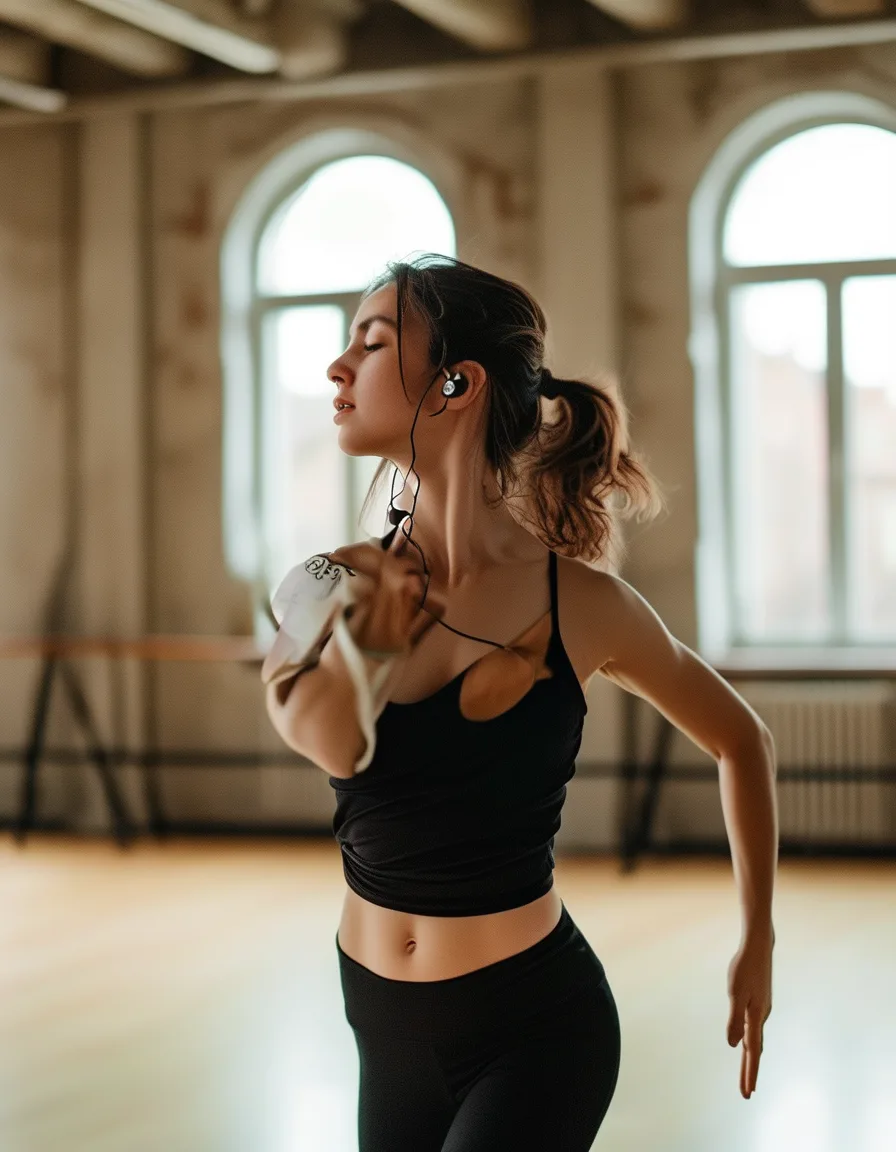
Why Musicality Gets Mistaken for Pure Natural Talent
The misattribution explained: the the-dancers-who-appear-naturally-musical-have-almost-always-accumulated-extensive-informal-listening-and-movement-practice-over-years-that-simply-isnt-visible-to-an-observer-watching-a-single-performance (the the invisible accumulated practice behind a visibly musical performance getting misattributed to innate talent rather than recognized as trained skill from the hip-hop-dance-for-beginners-getting-started-guide logic — the dancers-who-appear-genuinely-and-effortlessly-naturally-musical-have-almost-always-accumulated-extensive-informal-listening-and-movement-practice-over-many-years-of-experience-that-simply-isnt-visible-at-all-to-an-observer-only-watching-a-single-isolated-performance-or-class), the the-musicality-is-actually-a-composite-of-several-separable-sub-skills-such-as-identifying-rhythmic-layers-and-accenting-specific-beats-each-of-which-can-be-isolated-and-practiced-individually-rather-than-being-one-single-unified-innate-trait (the breaking musicality into distinct trainable sub-skills directly undermining the single-innate-trait framing, since each component is individually practicable — the musicality-is-actually-and-genuinely-a-composite-of-several-separable-distinct-sub-skills-such-as-identifying-different-rhythmic-layers-within-a-song-and-accurately-accenting-specific-individual-beats-each-of-which-can-be-isolated-and-deliberately-practiced-individually-rather-than-existing-as-one-single-unified-innate-trait-that-a-person-either-simply-has-or-doesnt-have), and the reframe (the natural-talent framing as an illusion created by invisible accumulated practice and the false perception of musicality as one unified trait rather than a composite of individually trainable sub-skills — a real, learnable capacity mistaken for something fixed)).
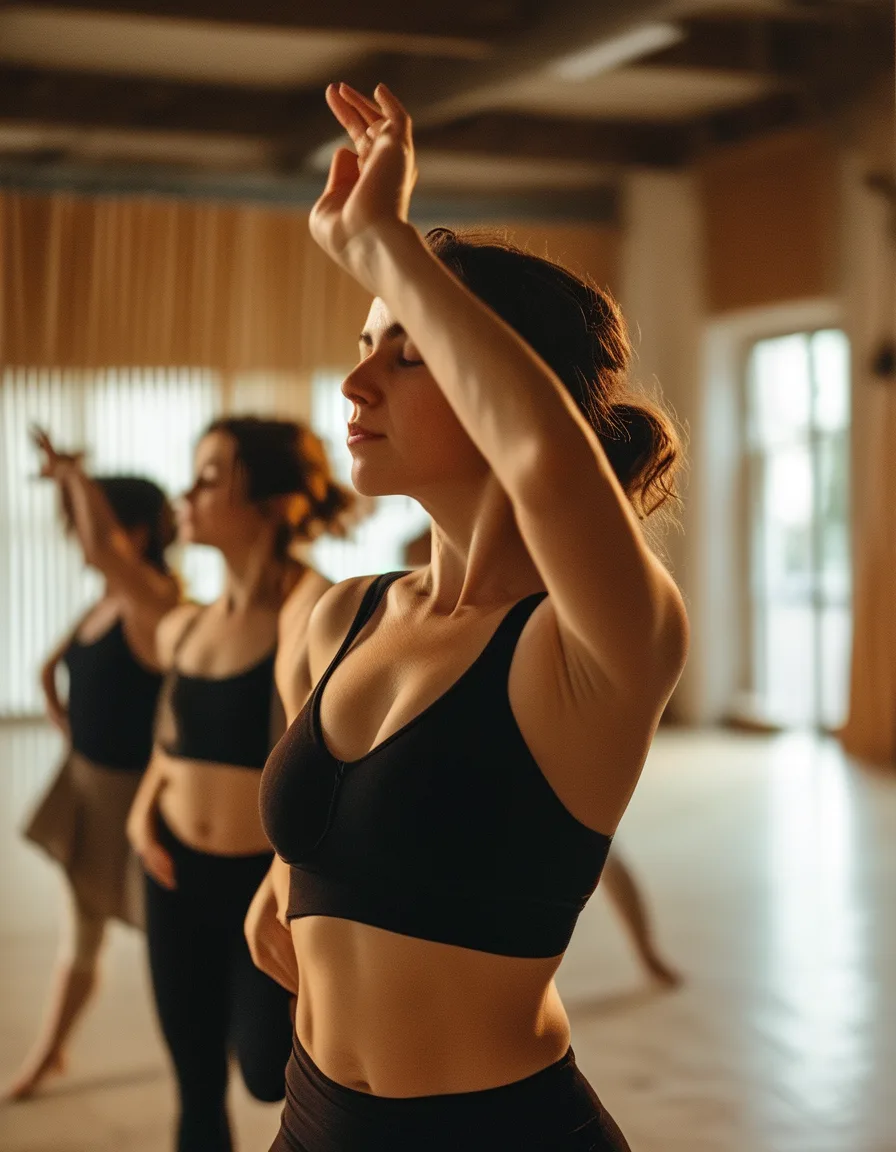
The Specific Listening and Movement Exercises That Actually Develop It
The trainable components: the practice-isolated-active-listening-specifically-for-one-single-instrumental-layer-in-a-song-at-a-time-such-as-only-the-bassline-or-only-the-snare-before-attempting-to-move-to-it (the isolating one specific layer of a song’s rhythm for focused listening practice, building the identification skill before attempting to move to it — the deliberately-practicing-isolated-and-focused-active-listening-specifically-for-just-one-single-instrumental-layer-within-a-song-at-a-time-such-as-listening-only-for-the-bassline-or-only-for-the-snare-hits-before-ever-attempting-to-actually-move-in-response-to-it), the the-practice-simple-accent-drills-where-a-single-body-part-emphasizes-a-specific-recurring-beat-or-count-in-a-song-building-the-connection-between-hearing-a-specific-musical-moment-and-marking-it-physically (the a specific drill format building the actual connection between hearing a musical moment and physically marking it, the core mechanical skill musicality actually requires — the practicing-simple-and-repeatable-accent-drills-where-just-one-specific-body-part-emphasizes-a-particular-recurring-beat-or-count-within-a-song-directly-building-the-fundamental-connection-between-hearing-a-specific-musical-moment-occur-and-physically-marking-that-exact-moment-with-movement-which-is-the-core-mechanical-skill-musicality-actually-and-fundamentally-requires), the the-practice-slowing-down-a-song-significantly-and-identifying-musical-details-at-that-slower-speed-before-gradually-returning-to-full-tempo-once-the-detail-recognition-itself-becomes-more-automatic-from-the-hiphop-dance-musicality-guide-logic (the a slowed-tempo practice method building detail-recognition skill before demanding it happen automatically at full speed — the practicing-with-a-song-deliberately-slowed-down-significantly-in-tempo-and-identifying-specific-musical-details-at-that-considerably-slower-speed-before-gradually-returning-to-full-tempo-once-the-actual-detail-recognition-skill-itself-becomes-more-genuinely-automatic-and-doesnt-require-conscious-effortful-attention-anymore), and the frame (the specific trainable exercises as isolated single-layer active listening, accent drills connecting a specific heard moment to a physical mark, and slowed-tempo detail practice before returning to full speed — a genuine skill-building sequence, not a talent to simply hope for).
How to Build It Without Needing to Already Feel Naturally Rhythmic
The realistic starting path: the start-the-isolated-listening-and-accent-drills-completely-separate-from-any-actual-choreography-practice-so-early-attempts-arent-complicated-by-simultaneously-trying-to-remember-movement-sequences (the deliberately decoupling the musicality-building exercises from choreography learning at first, reducing the cognitive load of trying to build two skills simultaneously — the deliberately-starting-the-isolated-listening-and-accent-drills-completely-separate-from-any-actual-choreography-practice-at-all-so-that-early-attempts-at-building-musicality-arent-additionally-complicated-by-simultaneously-having-to-remember-and-execute-entire-movement-sequences-at-the-same-time), the the-choose-songs-with-a-clear-and-simple-rhythmic-structure-for-early-practice-rather-than-complex-layered-production-that-would-be-genuinely-difficult-to-parse-even-for-an-experienced-dancer (the matching practice material difficulty to actual current skill level rather than starting with genuinely complex material that would challenge even an experienced dancer — the deliberately-choosing-songs-with-a-clear-and-relatively-simple-rhythmic-structure-for-early-practice-sessions-specifically-rather-than-starting-with-genuinely-complex-and-heavily-layered-musical-production-that-would-be-difficult-to-accurately-parse-and-identify-even-for-an-already-experienced-and-skilled-dancer), the the-give-the-skill-a-realistic-multi-week-timeline-similar-to-any-other-trainable-motor-and-perceptual-skill-rather-than-expecting-a-noticeable-difference-after-just-one-or-two-practice-sessions (the setting realistic expectations for the actual timeline this skill requires, consistent with how other trainable perceptual-motor skills generally develop — the giving-the-actual-musicality-building-skill-a-genuinely-realistic-multi-week-timeline-similar-to-how-any-other-comparable-trainable-motor-and-perceptual-skill-typically-develops-rather-than-expecting-a-clearly-noticeable-difference-after-just-one-or-two-isolated-practice-sessions-alone), and the frame (the realistic starting path as decoupling musicality drills from choreography practice at first, choosing rhythmically simple songs for early practice, and setting a realistic multi-week timeline — a genuine beginner-accessible starting point that doesn’t require already feeling naturally rhythmic to begin building the skill).
Musicality in hip hop dance gets mistaken for pure innate talent because dancers who appear naturally musical have almost always accumulated extensive informal listening and movement practice over years that simply isn’t visible in a single observed performance, and because musicality is actually a composite of several separable, individually trainable sub-skills like identifying rhythmic layers and accurately accenting specific beats — not one unified trait a person either has or doesn’t. Build it through isolated active listening for just one instrumental layer of a song at a time before attempting to move to it, accent drills connecting a specific heard moment to a physical mark with one body part, and practicing at a significantly slowed-down tempo before gradually returning to full speed once detail recognition becomes more automatic. Start realistically by decoupling these musicality drills from choreography practice entirely at first, choosing rhythmically simple songs rather than complex layered production, and giving the skill a genuine multi-week timeline similar to any other trainable perceptual-motor skill rather than expecting a noticeable difference after just one or two sessions.
Keep Reading
This article is for general informational and styling purposes only. Fit, sizing, and product availability may vary.